Exploring the Intersection of Sound and Visual Art: How Acoustic Waves Shape Our Perception
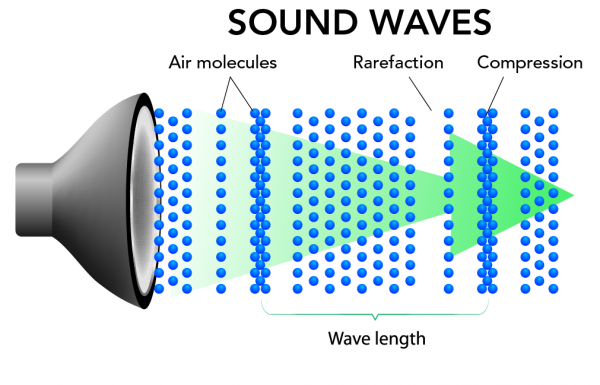
Exploring the intersection of sound and visual art reveals a captivating dialogue between auditory and visual stimuli, where each medium influences and enhances the appreciation of the other. For instance, many contemporary artists have begun to incorporate acoustic waves into their installations, allowing visitors to experience a multisensory environment that blurs the lines between sight and sound. This fusion can lead to a more profound understanding of how our senses interact, creating a holistic experience that is both immersive and thought-provoking.
Acoustic waves play a significant role in shaping our perception of visual art, as sound can evoke emotions and memories that alter our interpretation of an artwork. Artists like Bill Fontana, known for his sound sculptures, effectively demonstrate how sound can transform physical space, inviting viewers to engage with artworks in new ways. By acknowledging the influence of sound, both artists and audiences can deepen their connection to visual representations, expanding the scope of artistic expression and the emotional resonance of the work.
If you’re looking for affordable yet quality audio experiences, check out the Top 10 budget earbuds that deliver impressive sound without breaking the bank. These earbuds combine performance and value, making them perfect for casual listeners and audiophiles alike. From reliable brands to hidden gems, there’s something for everyone in this list.
The Science Behind Acoustic Artistry: How Sound Waves Can Create Stunning Visual Experiences
The interplay between sound and visuals has fascinated artists and scientists alike, culminating in a field known as acoustic artistry. This innovative discipline leverages the physical properties of sound waves to create mesmerizing visual experiences that transcend traditional art forms. By understanding how sound waves travel and interact with different materials, creators can harness these interactions to produce dynamic displays that transform auditory stimuli into captivating visual phenomena. For instance, using materials such as sand or water, artists can visualize sound frequencies, making the invisible patterns of sound tangible through movement and form.
At the core of acoustic artistry is the principle that sound waves can affect physical mediums, leading to extraordinary visual effects. Techniques such as Chladni patterns—where sand on a vibrating plate forms intricate designs—illustrate how varying sound frequencies manifest as distinct patterns. Moreover, the integration of technology and sound design, including sonic sculpture and immersive installations, expands the boundaries of artistic expression. As audiences engage with these sensory experiences, they not only perceive sound but also interact with it visually, establishing a profound connection that blurs the line between hearing and seeing.
What is Acoustic Art? Discovering the Techniques and Artists Behind This Unique Form of Expression
Acoustic art is an innovative form of expression that combines sound and visual elements to create immersive experiences. This unique artistic discipline transcends traditional boundaries, allowing artists to manipulate sound waves and environments to engage audiences on a deeper sensory level. At the heart of acoustic art lies the exploration of how sound interacts with space, whether through installations, performances, or recorded works. Techniques often involve the use of natural sounds, electronic manipulation, and the integration of architectural features to enhance auditory experiences. Artists utilize various mediums and technologies to develop their creations, inviting participants to explore the intricate relationships between sound, silence, and physical surroundings.
Among prominent artists in this field are pioneers like John Cage, whose avant-garde compositions challenged conventional definitions of music, and contemporary figures such as Janet Cardiff, known for her sound walks that weave narrative and auditory landscapes. Additionally, many acoustic artists experiment with field recordings, incorporating everyday sounds to evoke memories or emotions, making listeners reflect on their environments. The techniques used in acoustic art also embrace collaborative projects that culminate in community engagement, merging art with social experience. As we delve deeper into this art form, we uncover not just diverse methodologies but also the profound impact of sound as a catalyst for connection and creativity.