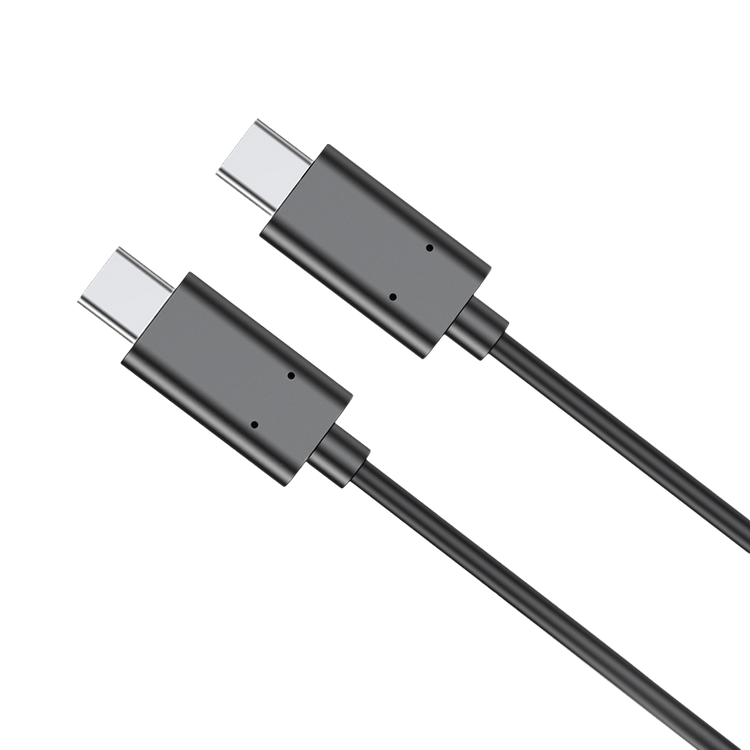
The Evolution of USB-C: Why It's Here to Stay
The evolution of USB-C has transformed the way we perceive connectivity. Emerging as a universal standard, USB-C was introduced by the USB Implementers Forum in 2014. Its popularity surged due to its ability to transfer data at high speeds, deliver power efficiently, and support various protocols, all through a single, reversible connector. Unlike its predecessors, USB-C eliminates the confusion of multiple ports and cables, making it a favorite among tech enthusiasts and manufacturers alike. With devices ranging from smartphones to laptops integrating this versatile standard, it's clear that USB-C is not just a passing trend, but rather a necessary evolution in the realm of connectivity.
As we look towards the future, the relevance of USB-C continues to grow. Major tech players, including Apple and Google, have adopted this standard, recognizing its potential to streamline user experiences. Moreover, the capabilities of USB-C are constantly expanding, supporting advancements such as 4K video output and robust power delivery, allowing users to charge devices faster than ever before. With the rapid adoption of USB-C across different sectors, it is evident that this versatile connector is here to stay, ensuring compatibility and convenience for users well into the future.
When looking for reliable connectivity options, exploring the Top 10 USB C Extension Cables can help you find the best options available in the market. These cables offer enhanced data transfer speeds and charging capabilities, making them ideal for modern devices. Consider factors such as length, durability, and compatibility to choose the right cable for your needs.
10 Key Benefits of Using USB-C for All Your Devices
Adopting USB-C as a universal connector for all your devices offers significant advantages. First and foremost, the reversible design of USB-C means you can plug it in either way, eliminating the frustration of trying to find the correct orientation. Additionally, USB-C supports faster transfer speeds, allowing you to move large files quickly and efficiently. With speeds of up to 10 Gbps, this modern standard outpaces older USB types, making it an ideal choice for photographers and video editors who require rapid data movement.
Another major benefit of USB-C is its ability to deliver power beyond traditional ports. This means you can charge your devices faster and even power laptops, making it a versatile option for both mobile and stationary use. Furthermore, a single USB-C port can replace multiple ports for various devices, streamlining your setup and reducing clutter. In summary, switching to USB-C not only simplifies connectivity but also enhances performance across all your gadgets, making it a smart investment for tech-savvy users.
Is USB-C the Future of Connectivity? Here’s What You Need to Know
In recent years, USB-C has emerged as a game-changer in the world of connectivity, revolutionizing how we charge and connect our devices. Unlike its predecessors, USB-A and USB-B, the USB-C connector is designed to be reversible, making it user-friendly and eliminating the hassle of plugging in cables incorrectly. With its capability to transfer data at lightning speeds of up to 40 Gbps and provide up to 100 watts of power, it's clear that USB-C is not just a trend but a technological advancement that can accommodate a wide range of devices from smartphones to laptops and even displays. Furthermore, with the growing adoption of this standard across various brands and sectors, it raises the question: is USB-C truly the future of connectivity?
Another significant advantage of USB-C is its versatility. Not only does it support data transfer and power delivery, but it also enables video output, making it an all-in-one solution for users. As we move towards a more interconnected world, having a universal connection standard is essential for reducing electronic waste and promoting sustainability. Major tech companies, including Apple, Google, and Microsoft, have started to embrace USB-C in their devices, furthering its appeal to both consumers and developers alike. In summary, the future looks bright for USB-C, and as it continues to gain traction, it is poised to become the standard for connectivity in the years to come.